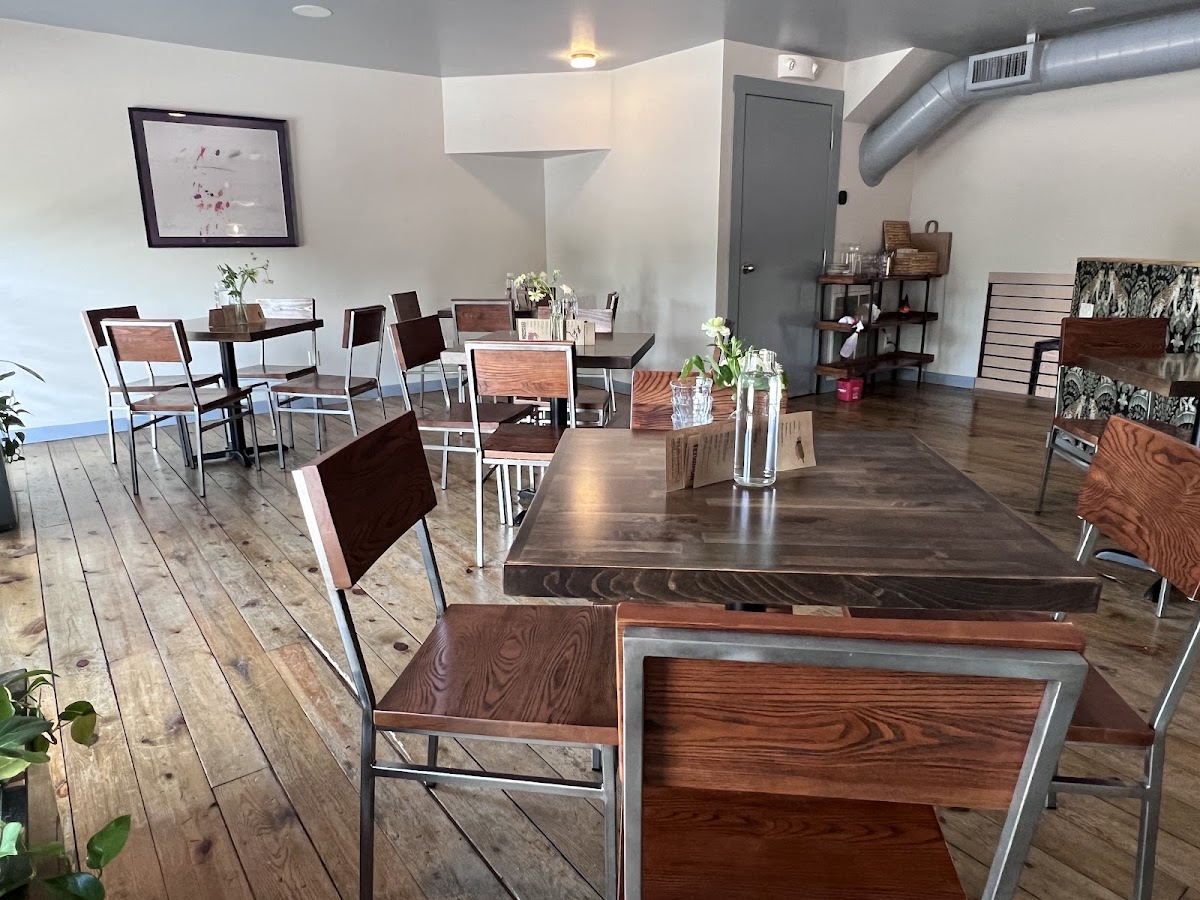
What a cute place! Unusual food combos, fabulous drinks. I happened to hit just after the lunch crowd, so just a few people. The location makes it perfect for anyone walking around Old Town, but I also think it’s a great destination all by itself. A couple of different levels to choose from - I prefer the upstairs, but the lower level looks cozy. I’ll definitely go back.
Overview
Walking into Persimmon for the first time felt like discovering a neighborhood secret that locals quietly treasure. Tucked into the heart of Old Town at 251 Jefferson St, Fort Collins, CO 80524, United States, the restaurant has a relaxed confidence about it. I stopped by on a chilly evening after hearing consistent praise from friends and seeing a steady stream of thoughtful reviews online, and it immediately lived up to the buzz.
The menu strikes a balance between comfort and creativity. You’ll see familiar American diner influences, but each dish carries a thoughtful twist that reflects seasonal ingredients and careful technique. During my visit, I watched the kitchen team prep dishes in an open, calm rhythm, which speaks to a process-focused approach rather than rushed service. According to data from the National Restaurant Association, diners increasingly value transparency and quality sourcing, and this place clearly aligns with that trend. Ingredients are fresh, portions are generous without being overwhelming, and the flavors feel intentional rather than trendy for the sake of it.
One standout example was a house-special entrée built around roasted produce and a protein cooked with precise timing. The texture was spot on, and the seasoning showed restraint-something chefs trained in classical methods often emphasize. Culinary educator and chef Thomas Keller has long advocated for simplicity done well, and that philosophy seems quietly present here. You don’t feel like the kitchen is trying to impress you; instead, it invites you to relax and enjoy.
Service adds another layer to the experience. On my second visit, I came in during a busy weekend dinner rush, expecting slower pacing. Instead, the staff handled the room with ease, offering menu guidance without hovering. A server explained how a popular dish evolved based on customer feedback, which is a real-world example of listening to diners and refining offerings over time. That kind of responsiveness builds trust, and it shows in repeat customers who greet the staff by name.
The dining room itself leans warm and understated. Soft lighting, comfortable seating, and a layout that encourages conversation make it easy to linger. Studies from Cornell University’s School of Hotel Administration suggest that atmosphere significantly impacts how guests perceive food quality, and this space supports that research. Even simple dishes taste better when the environment feels welcoming.
Reviews often highlight consistency, and that’s been true in my experience. Whether it’s a quieter weekday meal or a lively evening crowd, the kitchen delivers the same level of care. That reliability matters, especially for a restaurant that aims to be both a casual stop and a special-occasion option. While menus can evolve seasonally, there may be limitations if you’re looking for extreme dietary customization; however, the staff is upfront about what can be adjusted and what can’t, which keeps expectations clear.
What stands out most is how naturally everything comes together. The location draws you in, the menu keeps you interested, and the overall experience feels grounded and honest. It’s the kind of place you recommend not because it’s flashy, but because it consistently gets the essentials right-and that’s what keeps people coming back.
Good to know
Service options
✓ Outdoor seating ✓ Takeaway ✓ Dine-in ✓ DeliveryHighlights
✓ Fast service ✓ Great cocktails ✓ Great coffee ✓ Great dessert ✓ Great tea selectionPopular for
✓ Lunch ✓ Dinner ✓ Solo diningAccessibility
✓ Wheelchair-accessible car park ✓ Wheelchair-accessible entrance ✓ Wheelchair-accessible seating ✓ Wheelchair-accessible toiletOfferings
✓ Alcohol ✓ Beer ✓ Cocktails ✓ Coffee ✓ Food ✓ Food at bar ✓ Healthy options ✓ Quick bite ✓ Small plates ✓ Spirits ✓ Vegetarian options ✓ WineDining options
✓ Brunch ✓ Lunch ✓ Dinner ✓ Counter service ✓ Dessert ✓ Seating ✓ Table serviceAmenities
✓ Bar on site ✓ Gender-neutral toilets ✓ Toilet ✓ Wi-Fi ✓ Wi-FiAtmosphere
✓ Casual ✓ Cosy ✓ TrendyCrowd
✓ Family friendly ✓ Groups ✓ LGBTQ+ friendly ✓ Locals ✓ Tourists ✓ Transgender safe spacePayments
✓ Credit cards ✓ Debit cards ✓ NFC mobile payments ✓ Credit cardsParking
✓ Free of charge street parking ✓ ParkingPhotos
1 / 4
Location
Reviews
- No ratings yet 264 reviews
I love Persimmon so much!! I’ve taken friends and family here and every person has been impressed by how cozy and stylish the decor is but mostly how delicious the food is! The Brie sandwich is to die for, the chai is spicy and house-made, and all desserts are scarfed down in seconds. The staff is friendly, there’s plenty of seating, and I would take everyone here if I could!
Do yourself a favor and eat here, it’s deeeelicious. The flavors are very unique and just make you close your eyes and say yum. The waitstaff are very attentive but have right balance of engagement. The atmosphere makes you feel like you are someplace other than Fort Collins, and I don’t mean that as a discredit to the town I love, it’s just a different atmosphere than most restaurants here. Enjoy!
Not sure why it took so long to get around to trying this place, but Persimmon is an amazing hidden gem! Thoughtful, carefully crafted menu for both food and drinks. Try a shrub! Absinthe and hot chocolate? Yes, please! Whatever you get for your main dish, ALWAYS make sure to save room for dessert: Persian Love Cake. Take a date or treat yourself... I can't wait to come back and try more of what's on the menu!!!
One of the best! If you're searching for a cocktail bar that elevates the art of mixology and dining, check out this gem! From the moment you step inside, you're greeted by an inviting atmosphere that perfectly complements the exquisite craftsmanship of their cocktails. Each drink is a masterpiece, meticulously prepared with high-quality ingredients that burst with flavor and creativity. But the experience didn't stop at the cocktails. We ordered some small plates that were equally impressive, showcasing a menu that emphasizes fresh and innovative dishes that exemplify an attention to detail that is evident in every bite. The flavors harmonize beautifully, leaving you craving more. I cannot wait to go back!! Highly recommend
Persimmon is a great place to relax, enjoy tasty sandwiches and fun drinks. Their food menu is somewhat limited, but their drink menu is stellar. I’ve had some of the tastiest sodas in town here. Seating is a bit strange with options available for self-seating on three separate floors. Be sure a staff member sees you and acknowledges you before you sit, or else you might not be served for a while. The place is decorated very nicely with a cute jungle/leopard theme. My sandwich was yummy and I recommended getting the dates as an appetizer!
This is a new favorite spot! Can’t stay away for long before I’m craving the Bloody Mary and Feta appetizer. The service is great. Atmosphere is comfortable and upscale casual. I have also tried the seasonal margarita and the espresso martini. Nothing here disappoints. Definitely worth a try if your in old town.
Everything freshly made from superb ingredients and with genuine passion for the food. I had the shakshuka and it was divine though be prepared for the zhoug heat! The Bloody was perfect and overall, very good value for such great quality.